Root Canal Therapy in Hickory, NC
Root canal therapy has a reputation it doesn’t deserve. At Hickory Dentistry in Hickory, NC, we perform comfortable, effective root canals that relieve your pain, save your natural tooth, and get you back to feeling great — often in a single visit. If you’re experiencing tooth pain or have been told you need a root canal, call (828) 322-2977 today.
Comfortable Root Canal Treatment in Hickory, NC
When most people hear the words “root canal,” they brace for the worst. But the truth is that modern root canal therapy at Hickory Dentistry in Hickory, NC is a straightforward, comfortable procedure that most patients find far less intimidating than they anticipated. The real discomfort comes from the infection — and the root canal is what ends it. By removing the source of the problem and sealing the tooth against reinfection, root canal therapy eliminates your pain, saves your natural tooth, and restores your ability to eat, speak, and smile without discomfort.
When Is a Root Canal Needed?
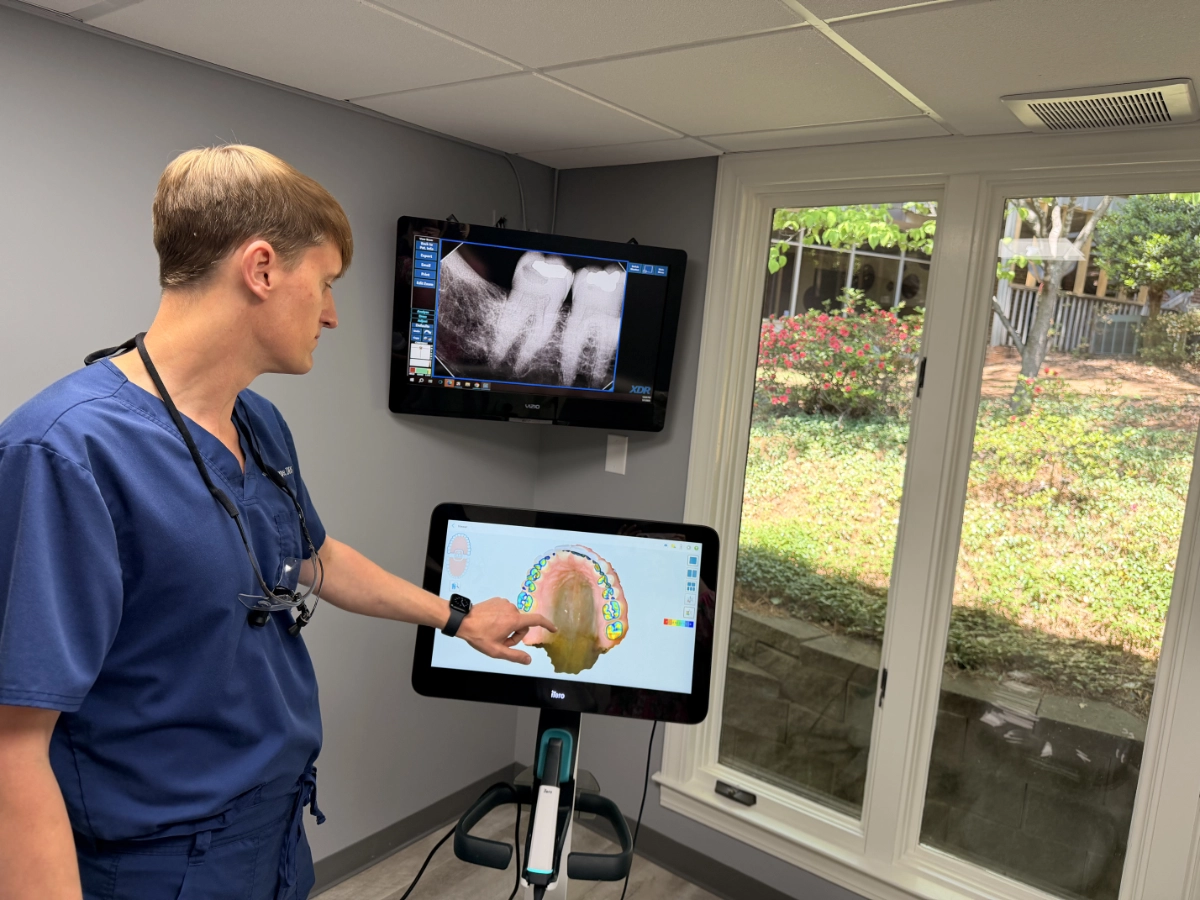
Root canal therapy becomes necessary when decay, bacteria, or trauma reach the inner pulp of the tooth — the soft tissue at the tooth’s core that contains nerves, blood vessels, and connective tissue. When this pulp becomes infected or inflamed, the result is often intense, persistent pain that worsens with pressure or temperature changes. The infection can also spread to the surrounding bone and tissues if left untreated, potentially leading to an abscess and, eventually, tooth loss. Symptoms that typically indicate the need for root canal therapy include severe toothache — especially throbbing or spontaneous pain; prolonged sensitivity to hot or cold that lingers after the stimulus is removed; pain when biting or applying pressure to the tooth; darkening or discoloration of the tooth; and swelling or tenderness in the gum tissue surrounding the tooth. A pimple-like bump on the gum near the affected tooth — called a sinus tract or fistula — is a sign that the infection has created a drainage channel through the bone and gum, which definitively indicates the need for treatment. Dr. Millsaps uses digital X-rays and Cone Beam 3D imaging to confirm the diagnosis, evaluate the root anatomy, and plan the most effective treatment approach.
The Root Canal Procedure: Step by Step
Root canal therapy at Hickory Dentistry typically requires one to two appointments, depending on the severity of the infection and the complexity of the root canal system. At your first appointment, Dr. Millsaps will administer local anesthesia to thoroughly numb the tooth and surrounding tissue. Contrary to popular belief, a properly anesthetized tooth during root canal therapy should not be painful — you may feel pressure or movement, but not pain. If you’re feeling anxious about the procedure, please let our team know — we have options to help you feel calm and at ease. Once the area is numb, Dr. Millsaps places a small rubber barrier (called a dental dam) around the tooth to isolate it and maintain a clean, sterile field. A small access opening is then made in the crown of the tooth to reach the pulp chamber and canals below. Using a series of specialized files and an apex locator, he carefully removes the infected pulp tissue and shapes the root canals to prepare them for filling. The canals are then irrigated with antimicrobial solution to eliminate any remaining bacteria. The cleaned and shaped canals are filled with a biocompatible material called gutta-percha, which seals them against reinfection, and the access opening in the crown is sealed with a temporary or permanent filling. Most patients return within a few weeks for placement of a ceramic zirconia crown, which provides the long-term strength and protection the treated tooth needs.
Recovery After Root Canal Therapy
Recovery after root canal therapy is typically very manageable. Some mild tenderness or soreness in the treated tooth and surrounding area for a few days after the procedure is completely normal — this is simply your body’s healing response and is easily managed with over-the-counter pain relievers. Most patients are able to return to their normal daily activities the following day. Avoid chewing on the treated tooth until your permanent crown has been placed — the tooth is more vulnerable to fracture without the crown protecting it. If you experience significant pain, swelling, or symptoms that worsen rather than improve after the first few days, contact Hickory Dentistry at (828) 322-2977 promptly so we can evaluate the situation.
Root Canal vs. Tooth Extraction: Why Saving the Tooth Matters
When a tooth is severely infected, some patients wonder whether simply extracting it is easier than a root canal. While extraction is certainly an option, preserving your natural tooth with root canal therapy is almost always the better long-term choice. Natural teeth maintain the jawbone through functional stimulation, prevent adjacent teeth from drifting, and provide the most comfortable, natural chewing experience. Once a tooth is extracted, the jawbone in that area begins to resorb, and the gap must eventually be addressed with a dental implant, bridge, or denture — all of which are more costly and time-consuming than the root canal and crown that could have saved the tooth. In the vast majority of cases, root canal therapy is the more conservative, cost-effective, and health-preserving option. We serve patients from Hickory, NC and surrounding communities including Newton, Lenoir, Granite Falls, and Conover. Call (828) 322-2977 or request your appointment online today.
Frequently Asked Questions — Root Canal Therapy in Hickory, NC
Is a root canal really as painful as people say?
No — and this is one of the most persistent myths in dentistry. Root canal therapy is performed under local anesthesia, so the tooth and surrounding tissue are fully numb before any treatment begins. The procedure itself is typically no more uncomfortable than getting a filling. The pain that people associate with root canals is actually the pain of the infection that makes the root canal necessary — and the procedure is what provides relief. Most patients are pleasantly surprised at how manageable the experience is.
How many appointments does a root canal take?
Most root canals at Hickory Dentistry are completed in one to two appointments. A straightforward single-rooted tooth may be treated and sealed in a single visit. More complex cases — such as a tooth with multiple curved canals, a large infection, or a need for further medication before sealing — may require a second appointment. After the root canal is complete, a follow-up appointment to place a protective ceramic zirconia crown is recommended for most back teeth to prevent fracture.
Can the infection come back after a root canal?
Root canal therapy has a very high success rate when the procedure is performed well and the tooth is properly restored afterward. However, in some cases — particularly if the tooth is not promptly restored with a crown, if a canal was missed during treatment, or if new decay develops — reinfection can occur. This is why proper follow-up care is essential. If a root canal-treated tooth develops new symptoms, it may require retreatment. At Hickory Dentistry, we monitor all treated teeth during routine checkups to catch any early signs of problems.
Do I need a crown after a root canal?
For most teeth — particularly back molars and premolars that bear the brunt of chewing forces — yes, a crown is strongly recommended after root canal therapy. The procedure removes the tooth’s inner tissue, which can leave it more brittle and prone to fracture under normal biting forces. A crown protects the tooth, restores its full function, and significantly extends its lifespan. Front teeth may occasionally be restored with a less extensive buildup and crown depending on the individual case — Dr. Millsaps will advise you on the best approach for your specific tooth.
What should I do if I think I need a root canal?
If you’re experiencing severe, persistent tooth pain, prolonged sensitivity to temperature, pain when biting, visible swelling, or a pimple-like bump on your gum, call Hickory Dentistry at (828) 322-2977 as soon as possible. These symptoms indicate an infection that can worsen rapidly if left untreated. We’ll evaluate the situation promptly — using digital X-rays and, if needed, Cone Beam 3D imaging — and advise you on whether root canal therapy is the right course of action. The sooner you seek care, the better the outcome.
Is root canal therapy covered by dental insurance?
Root canal therapy is typically covered at least partially by most dental insurance plans as a restorative procedure. The exact coverage depends on your specific plan, including your deductible, annual maximum, and any waiting periods that apply. Our team at Hickory Dentistry will help you understand your benefits and provide a clear cost estimate before treatment begins. We also offer information on financing options to help make your care as accessible as possible — call (828) 322-2977 or visit us to discuss your situation.
Do you perform root canal therapy for patients from Newton, Lenoir, and Granite Falls?
Hickory Dentistry provides root canal therapy and comprehensive general dentistry for patients from Hickory, NC and surrounding communities including Newton, Lenoir, Granite Falls, and Conover. If you’re experiencing tooth pain or have been told you need a root canal, don’t delay — call us at (828) 322-2977 or request an appointment online. The sooner we can evaluate and treat the infection, the better your outcome will be.